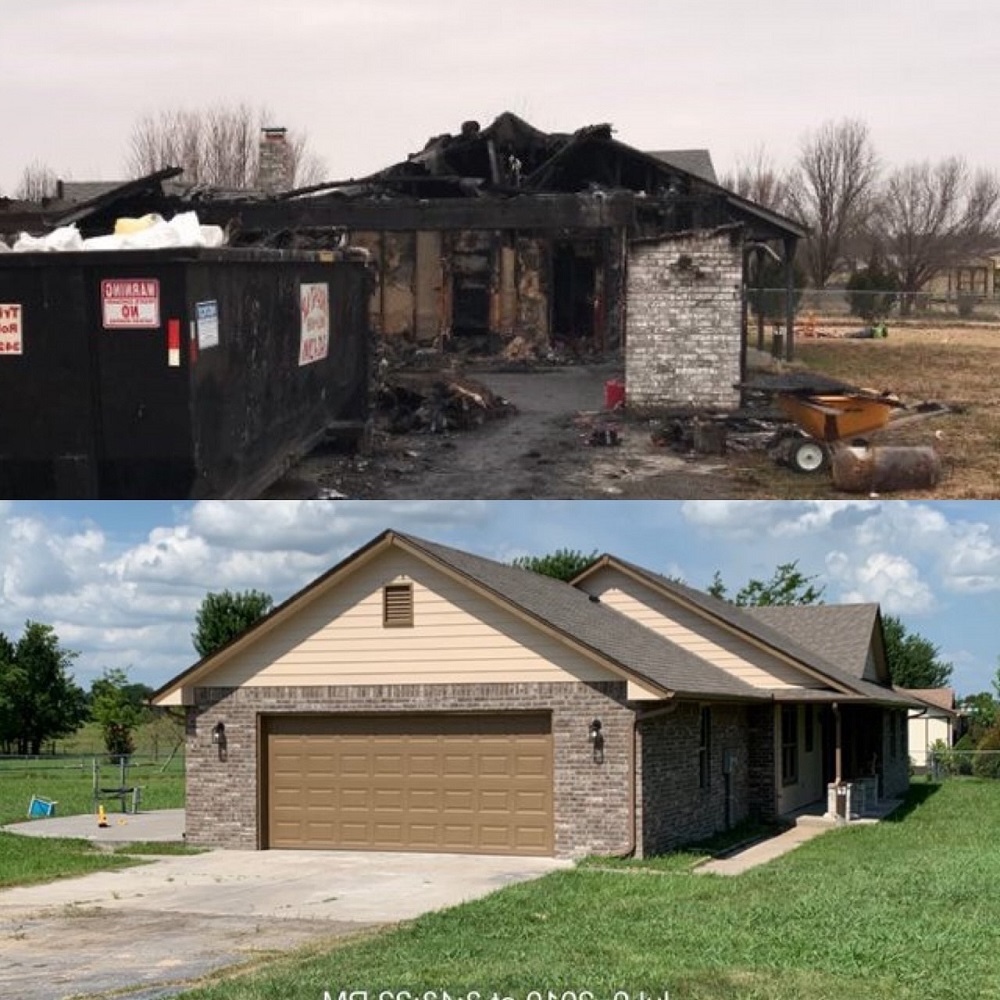
Homeowners discovered they were grossly underinsured. In one instance detailed in a lawsuit, Altadena homeowners wrote to their State Farm agent before the fires to confirm whether their dwelling limit of just over $1 million would sufficiently cover rebuilding costs. The agent confirmed the amount covered the total cost to rebuild. After their home burned down, the estimates they received to rebuild were in excess of $3 million .
The gap between insurance payouts and actual rebuilding costs has been devastating. One Altadena homeowner with a 1,500-square-foot home received a compensation offer of $1.06 million, but actual construction bids run $700 to $900 per square foot — dramatically higher than what insurance policies cover .
In Pacific Palisades, construction costs for a newly rebuilt home reached approximately $650 per square foot, or $2.6 million for a 4,000-square-foot house. Many policies covered only 60-70% of actual rebuilding costs when modern building materials, code compliance, and contractor availability are factored in .
What was done to fix it: Homeowners organized. Lawsuits were filed against State Farm, USAA, and AAA alleging systematic underinsurance . The California Department of Insurance launched a formal inquiry into how State Farm handled thousands of fire claims . The Los Angeles City Council eventually approved a plan to waive building permit and plan-check fees for all types of fire-damaged structures, capping relief at $90 million citywide . However, as of January 2026, more than 70% of displaced residents remained so, and four out of 10 fire survivors had taken on debt .
The lesson: Insurance estimates that focus on pre-fire property values miss the real cost of rebuilding. Code upgrades, rising material prices, and labor shortages mean actual reconstruction costs far exceed what most policies assume.
Case 1: Altadena — Hidden Structural Weakening from Extreme Heat
The cause was the intensity of the fire itself. The Eaton Fire burned so hot that it compromised building materials without visibly charring them.
What happened: Wood framing lost structural integrity. Roof trusses warped. Drywall became brittle internally. Metal connectors, nails, brackets, and fasteners were weakened by heat exposure. Intense heat can damage concrete foundations and retaining walls even when they appear intact .
What was done to fix it: Licensed structural engineers evaluated fire-exposed foundations using visual surveys for cracking and spalling, non-destructive hardness testing, selective concrete coring to assess strength loss, and evaluation of rebar condition within the concrete. Where feasible, reusing or repairing existing foundations reduced costs, but Cal Fire and LADBS required stamped engineering reports certifying suitability before approving construction .
The lesson: Structural evaluation is not optional after a major fire. Insurance estimates that focus only on cosmetic repairs miss the hidden weakening that can make a rebuilt home unsafe.
Case 2: Pacific Palisades — Code Upgrades and Ordinance or Law Coverage
The cause was not the fire but the building codes that changed since the original construction.
What happened: Older homes in Pacific Palisades could not simply be rebuilt exactly as they were. Once repairs began, the local building department required upgrades to current code: electrical upgrades, plumbing updates, framing corrections, fire-rated materials, smoke detector upgrades, structural reinforcement, and energy code requirements . Fire-resistant design elements became mandatory: Class A roofing, ignition-resistant cladding, ember-resistant vents, and defensible space .
What was done to fix it: The Los Angeles City Council approved a plan waiving building permit and plan-check fees for fire-damaged structures, but only up to 110% of a property’s original footprint. Property owners who rebuild larger than their original homes must pay permit fees on the additional square footage . Many homeowners discovered that their Ordinance or Law coverage was insufficient to cover mandatory upgrades.
The lesson: Code upgrades are almost never included in initial insurance estimates. Homeowners need to request a detailed review of Ordinance or Law coverage before assuming their policy will cover mandatory improvements.
Case 3: Altadena — Environmental Contamination and Hazardous Materials
The cause was the burning of older homes containing hazardous materials. Ashes from burned structures contained asbestos from pre-1980 popcorn ceilings, drywall joint compound, and floor tiles, as well as lead-based paint residue and melted plastics .
What happened: Before rebuilding could begin, properties required environmental testing: air monitoring near debris operations, soil sampling for heavy metals including lead and arsenic, and clearance certification documenting that contamination levels met rebuilding standards. In areas like Altadena, a significant share of lots showed elevated lead levels requiring remediation before construction could proceed .
What was done to fix it: The Army Corps of Engineers coordinated debris removal with strict protocols for sorting and disposing of fire debris containing hazardous materials. Homeowners were required to obtain environmental testing reports and remediation documentation before permit approval .
The lesson: Environmental contamination is often completely missed in initial insurance estimates. Soil testing, lead remediation, and hazardous material handling can add tens of thousands of dollars to a restoration project.
How to Protect Your Settlement
Do not feel pressured to use the insurer’s preferred vendor. You have the legal right to hire your own licensed restoration company. A contractor working directly for your interests may identify hidden damage that a rushed insurance estimate misses.
Get a second opinion. Do not accept the first estimate as final. Request a detailed line-by-line review from a licensed restoration contractor, structural specialist, HVAC professional, or independent public adjuster. Ask specifically about smoke migration, soot contamination, HVAC damage, water damage, mold risk, structural weakening, code upgrades, and environmental testing.
Track every expense. If the property is unlivable, keep receipts for hotel stays, temporary housing, meals, laundry, storage, pet boarding, and relocation costs. These additional living expenses may be covered by your policy, but you need documentation.
Document everything. Photograph all debris removal work, retain environmental testing reports, preserve foundation assessment documents, and keep detailed logs of all communications with insurers and contractors. This data supports insurance claims and helps prevent disputes about scope coverage later .
- The Real Danger After a Fire
The visible fire may last minutes. The hidden consequences can last for years.
Smoke inside insulation. Soot inside ductwork. Water behind walls. Mold under flooring. Heat-weakened framing. Code upgrades no one mentioned until construction started. Environmental contamination from lead and asbestos. Insurance policies that cover only half of what rebuilding actually costs .
These are the details that determine whether a fire damage claim truly restores the property — or leaves the owner paying for what the estimate missed.
If you have experienced fire damage, document thoroughly. Inspect independently. Restore completely. And never assume that the damage stops where the flames stopped.
any insurance help here -> https://ursa-pro.com/insurance/
 ursapro
Оставить комментарий